
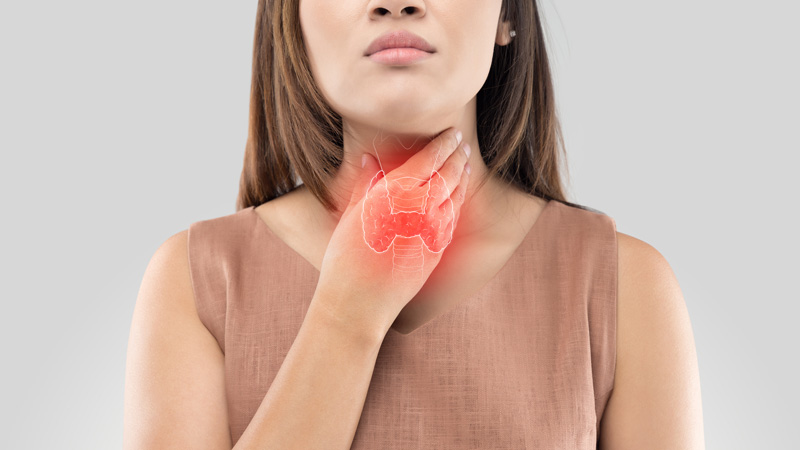
Thyroidectomy is the surgical removal of part or all of the thyroid gland, which sits at the front of the neck. Commonly called thyroid surgery or goiter surgery, it is used to treat conditions such as thyroid nodules, goiter, an overactive thyroid and thyroid cancer. This article explains who the operation is recommended for, how it is performed and what to keep in mind during recovery.
What Is Thyroidectomy?
The thyroid is a butterfly-shaped gland located just below the larynx (voice box), in front of the windpipe. It has a right and a left lobe joined by a thin bridge of tissue called the isthmus. The hormones it produces regulate metabolism, energy levels, heart rate and body temperature.
Two important structures lie directly behind the thyroid. The first is the recurrent laryngeal nerve, which moves the vocal cords; the second is the parathyroid glands, lentil-sized glands that control the calcium level in the blood. Protecting them requires great care, which is why this is regarded as delicate surgery.
There are different types depending on the extent of the operation:
- Total thyroidectomy: Removal of the entire thyroid gland.
- Lobectomy (hemithyroidectomy): Removal of only one lobe, usually together with the isthmus.
- Near-total thyroidectomy: A very small piece of tissue is deliberately left behind to protect the nerve or the parathyroid glands.
- Isthmusectomy: Limited surgery for small nodules located only in the bridge connecting the two lobes.
Thyroid diseases are several times more common in women than in men, so women make up a large share of patients; however, surgery may be needed at any age and in either sex.
Who Is a Candidate for Thyroidectomy?
Most thyroid nodules are benign and do not require surgery. The decision weighs the nodule’s ultrasound features, biopsy result, hormone levels and symptoms together. The main indications are:
- Thyroid cancer or suspected cancer: Malignant or suspicious cells seen on fine-needle biopsy
- Goiter causing compression: An enlarged gland causing difficulty swallowing, shortness of breath, a feeling of pressure in the throat or voice changes
- Goiter extending into the chest: Growth of the gland down behind the breastbone (substernal goiter)
- Hyperthyroidism: Conditions such as Graves’ disease or toxic nodular goiter that do not respond to medication or radioactive iodine, or for which these treatments are unsuitable
- Growing nodules: Nodules that grow noticeably during follow-up or remain undiagnosed despite repeated biopsies
- Cosmetic concerns: Large nodules causing a visible, bothersome swelling in the neck
Total Thyroidectomy or Lobectomy?
If the disease is confined to one lobe, for example a single-sided nodule or some small, low-risk cancers, a lobectomy may be sufficient. For multinodular goiter affecting both lobes, Graves’ disease and widespread or higher-risk thyroid cancers, total thyroidectomy is generally preferred. In cancer cases, lymph nodes in the neck may also need to be removed. The decision follows current guidelines and takes the patient’s preferences into account.
Non-Surgical Options
Not every thyroid problem needs surgery. For an overactive thyroid, antithyroid medications and radioactive iodine are commonly used. For some biopsy-proven benign nodules that cause compression, methods that shrink the nodule, such as radiofrequency ablation, may be considered in selected patients. For fluid-filled cysts, drainage may be the first step. The right method depends on the nodule’s structure and size and the patient’s overall health; surgery comes to the fore when these options are not enough or when cancer is suspected.
Preparation and Examination Before Surgery
The preoperative evaluation helps plan the right operation and reduce possible risks. It usually includes:
- Neck ultrasound: Assesses the number, size and structure of nodules and the lymph nodes in the neck.
- Fine-needle aspiration biopsy: A cell sample is taken from suspicious nodules; results are reported using the international Bethesda classification.
- Blood tests: TSH, free T3 and T4 and, when needed, thyroid antibodies, calcium and parathyroid hormone levels are measured.
- Vocal cord examination: Vocal cord movement is checked endoscopically before surgery, which allows comparison after the operation.
- Additional imaging: Tests such as computed tomography (CT) may be requested for goiter extending into the chest or suspected advanced cancer.
In patients with hyperthyroidism, hormone levels need to be brought to normal with medication before surgery. Anyone taking blood thinners should discuss with their doctor when to stop them. Once the anesthesia assessment is complete, the surgery date is set; you will be asked not to eat or drink after a certain time the night before.
Quitting smoking a few weeks before surgery benefits wound healing and anesthesia safety. Share all medications, herbal products and allergies with your doctor. Comfortable, front-buttoning clothes that do not press on the neck make the first days easier. If your voice is central to your work (teachers, singers, call center staff), mention this before surgery so the recovery plan can be adjusted.
How Is Thyroidectomy Performed?
The operation is performed under general anesthesia and usually takes 2-3 hours, depending on its extent. A horizontal incision a few centimeters long is made low on the neck, ideally within a natural skin crease, which helps the scar become less noticeable after healing.
The neck muscles are separated to the sides rather than cut, giving access to the thyroid. The surgeon identifies and protects the vocal cord nerve and the parathyroid glands one by one while removing the gland. After bleeding is controlled, the layers are closed and the skin is usually closed with cosmetic stitches. In some patients, a thin drain may be placed to remove any fluid that collects.
Nerve Monitoring
Many centers today use intraoperative nerve monitoring, in which the function of the vocal cord nerve is tracked in real time with electrical stimulation. Monitoring helps locate and protect the nerve; it does not replace the surgeon’s attention and anatomical knowledge, but it provides valuable support, especially in difficult cases.
Approaches Without a Neck Incision
In selected patients, the thyroid can be reached with endoscopic or robotic techniques through the armpit, the front of the chest or the inside of the lower lip. The approach through the mouth leaves no visible scar on the neck. These techniques are not suitable for everyone, however; for large goiters, glands extending into the chest and advanced cancers, conventional open surgery is generally preferred. The method depends on the type of disease and the size of the gland.
Pathology Examination
The removed tissue is sent to the pathology laboratory, and the final result is usually available within a week to ten days. If cancer is found, next steps, such as whether radioactive iodine treatment is needed, are planned based on this result together with endocrinology and nuclear medicine specialists.
Recovery After Thyroidectomy
Recovery is quick in most patients. Patients can usually get up on the evening of surgery and start with liquids. The hospital stay is most often 1 day.
The First Days
In the first days, tenderness when swallowing, tightness in the neck and mild voice fatigue are common. These complaints are usually controlled with simple pain relievers and ease within a few days. When the whole gland has been removed, blood calcium levels are monitored; if they are low, calcium and vitamin D supplements are started.
Diet and Daily Life
Starting with soft, lukewarm foods, patients soon return to a normal diet. Neck movement is not restricted; in fact, gentle neck exercises help reduce tightness. People with desk jobs can usually return to social life and work within 1 week. Waiting a few weeks before heavy lifting or strenuous exercise is recommended.
Hormone Therapy and Follow-Up
After a total thyroidectomy, the body can no longer produce thyroid hormone, so lifelong hormone replacement is needed. This hormone, called levothyroxine, is taken as a single dose each morning on an empty stomach and replaces the natural hormone. The dose is adjusted based on regular TSH measurements; with the right dose, patients can lead normal lives. After a lobectomy, the remaining lobe produces enough hormone in many patients, though some may need supplementation. Wound checks take place in the first weeks, and hormone checks at intervals set by the doctor.
Notes for Patients Traveling from Abroad
International patients should generally plan to stay in Istanbul for about a week after a thyroidectomy. This covers the hospital stay, calcium monitoring if the whole gland was removed and the first wound check. Many surgeons advise waiting around a week before flying, although timing varies with recovery; your surgeon will advise when air travel is appropriate for you. The final pathology report may arrive after you return home and can be reviewed remotely, and hormone dose adjustments and long-term follow-up can be coordinated with a doctor in your home country.
Possible Risks and Important Considerations
Performed by experienced teams, thyroid surgery is a safe operation, but like any surgery it carries some risks. Knowing them helps symptoms be recognized early.
- Voice changes: Hoarseness can develop if the vocal cord nerve is affected during surgery. This is usually temporary and improves over weeks to months; permanent nerve damage is rare. Another nerve branch, which affects reaching high notes, can also be affected.
- Low calcium (hypoparathyroidism): Can occur when the parathyroid glands are temporarily affected, especially after removal of the whole gland. Symptoms include tingling in the fingertips and around the lips and muscle cramps. It is temporary in most patients; permanent cases are rare.
- Bleeding: May appear within the first 24 hours as a rapidly growing swelling in the neck and may require urgent intervention. It is rare, but it is one of the reasons for close monitoring in the hospital.
- Wound problems: Infection, fluid collection at the incision site or a thickened scar can occur.
Seek medical attention without delay if you notice shortness of breath, rapidly increasing neck swelling, marked numbness or spasms in the lips and fingers, high fever or discharge from the wound. Taking hormone medication regularly and keeping follow-up appointments support long-term health.
Thyroidectomy: Frequently Asked Questions
Will my voice change after thyroid surgery?
Some patients have voice fatigue or mild hoarseness in the first weeks, which is usually temporary. Careful surgical technique aimed at protecting the nerve, along with nerve monitoring when needed, helps keep the risk of permanent voice change low.
Will I need medication for life after thyroidectomy?
After a total thyroidectomy, yes: thyroid hormone is taken for life. After a lobectomy, some patients can manage without medication, depending on how well the remaining lobe works. This is determined with blood tests.
Will I gain weight after surgery?
When the hormone dose is correctly adjusted, the operation itself does not cause weight gain. Mild fluctuations may occur in the first months while the dose is being fine-tuned. A balanced diet and regular activity are key to weight control.
Will there be a scar on my neck?
Because the incision follows a natural skin line, the scar fades over time in most patients. It can take a few months to a year to reach its final appearance, and protecting it from the sun during this period is recommended.
When can I go back to work after thyroid surgery?
Most people with desk jobs return to work in about a week. This may take somewhat longer for physically demanding jobs and voice-intensive professions. Driving can usually be resumed once you can turn your neck comfortably and need fewer pain relievers.
Does every thyroid nodule need surgery?
No. Most thyroid nodules are benign and can be monitored with regular ultrasound. Surgery is considered for suspected cancer, compression symptoms, excess hormone production or significant growth.
Conclusion
Op. Dr. Tayfun Demirel, an ENT specialist, examines and evaluates patients with thyroid nodules, goiter and other conditions that may require thyroid surgery at the practice in Ataşehir, Istanbul. Ultrasound, biopsy and hormone results are considered together, and whether a thyroidectomy is needed, as well as the extent of the operation, is planned individually for each patient. Please contact the clinic to book an appointment or for more information. This article is for informational purposes only; an in-person examination is required for diagnosis and treatment.
